Healing after hernia surgery is a process that takes time, care, and the right surgical approach. While every patient recovers differently, there are several common phases most people go through after the operation.
Healing process
Immediately after surgery, the focus is on reducing pain, controlling inflammation, and protecting the surgical area. Patients are often encouraged to begin gentle movement within the first 24 to 48 hours. This helps stimulate circulation and prevents stiffness.
Hernia healing
In the following weeks, physical therapy may be introduced to improve mobility, strengthen the core, and support spinal alignment. It’s important that healing tissues are not stressed too soon. A gradual increase in activity, under guidance, is essential.
Return to normal life
Most patients recover fully within 6 to 12 weeks, depending on the surgical technique used. Endoscopic procedures, like those enabled by MaxMore instrumentation, typically result in smaller incisions, less tissue trauma, and faster return to normal life.
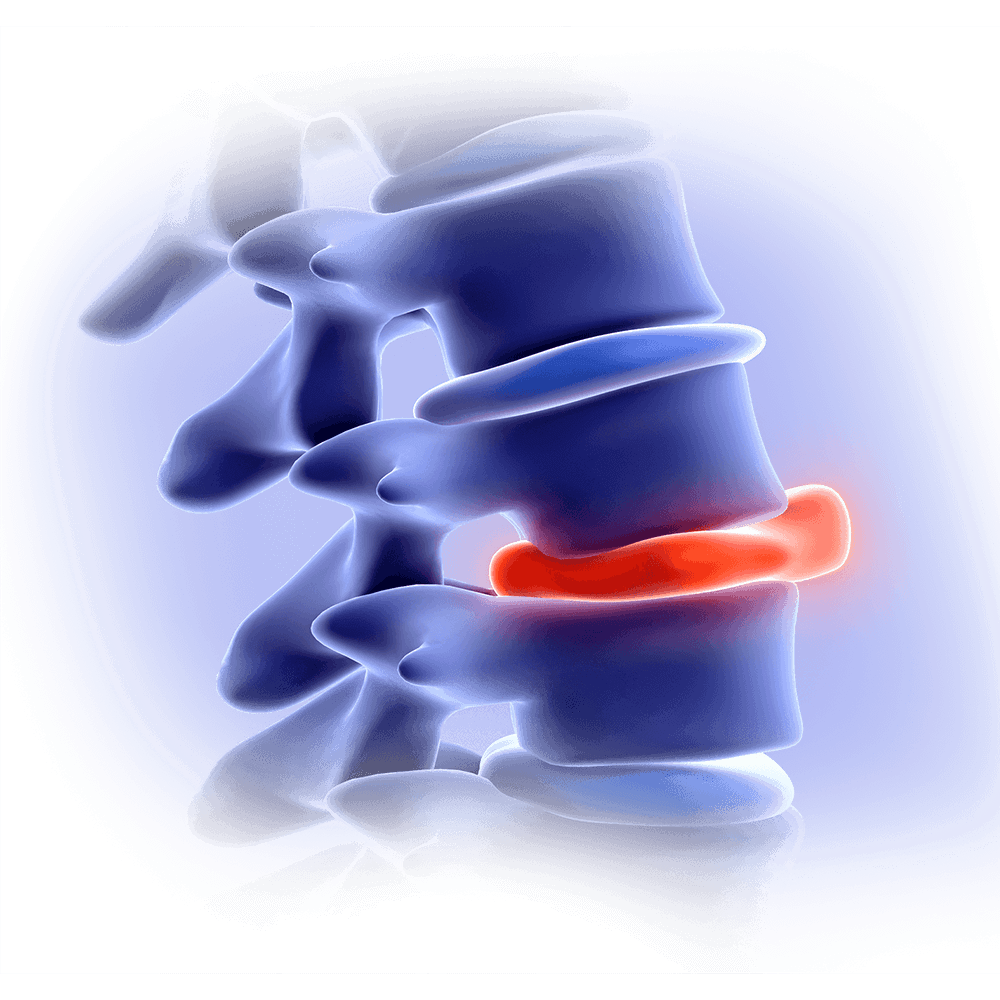
The hernia surgery healing process after lumbar hernia surgery depends on many factors. The most important one is how the surgery is performed. Traditional open techniques often involve significant trauma to surrounding tissue. This can lead to longer recovery times and more post-operative pain.
Advanced endoscopic instruments
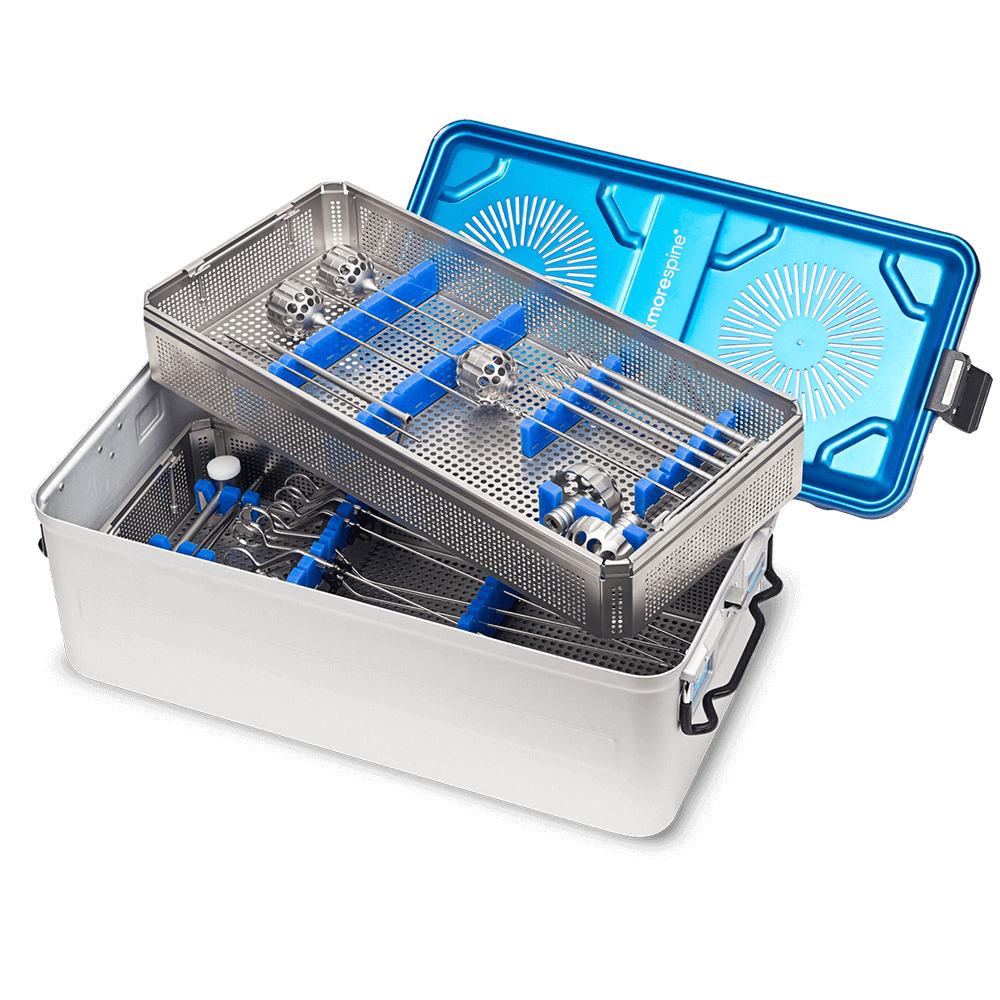
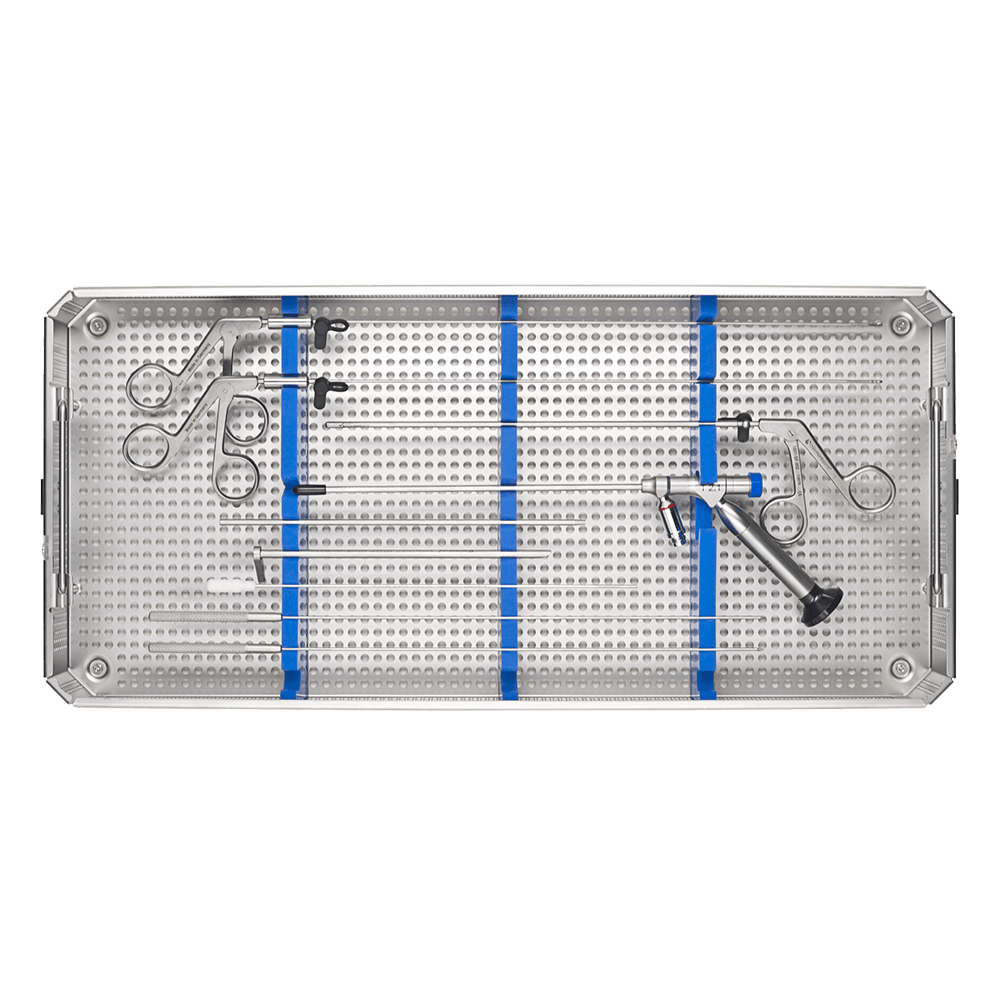
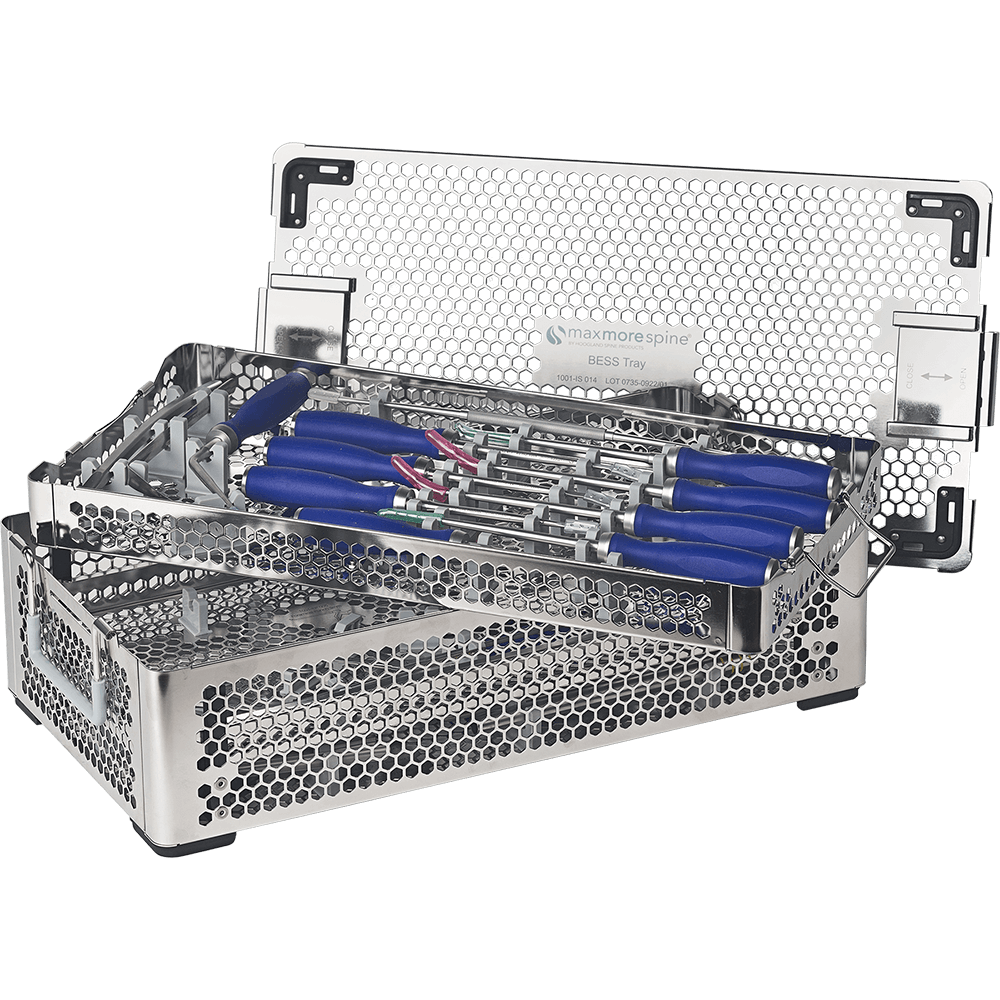
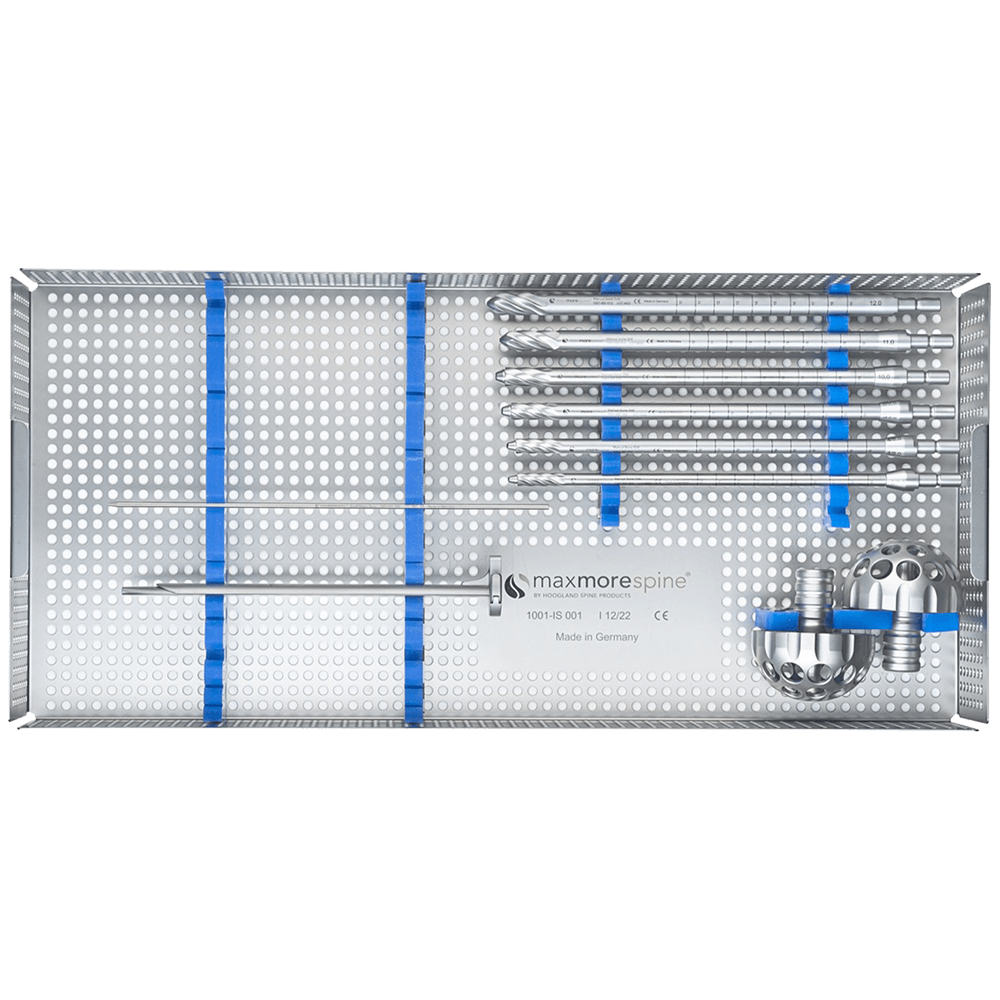
At MaxMore by Hoogland Spine Products, we design and manufacture advanced endoscopic instruments for the treatment of lumbar spine conditions. Our tools are used by leading spine surgeons around the world to perform minimally invasive procedures with greater safety, accuracy, and efficiency.
Better hernia surgery healing
This directly supports better hernia surgery healing. When patients undergo less invasive surgery, they experience faster recovery and fewer complications. That’s exactly what our systems are built to achieve.
Redefining hernia surgery healing
Healing from herniation surgery depends on the quality of the procedure. Our minimally invasive systems support:
Faster patient recovery
Reduced tissue trauma
Lower risk of infection or complications
Faster return to daily activities
Improved surgical accuracy and safety
Excercises and physiotherapy
A simple chair exercise can help activate and strengthen core stabilizers like the pelvic floor, lower back, and deep abdominal muscles. Sit upright, engage your core, and use a second chair in front of you to simulate small pushing, pulling, and side-to-side movements. Without actually moving the chair.
Focus on natural healing
These variations train your body to stabilize naturally. Repeat the exercise several times a day to build a strong, supportive muscle corset. Physiotherapy is usually not needed in the first 4–6 weeks after surgery; focus instead on natural healing and daily core control. Your neurosurgeon can advise later if therapy is still necessary.
Transforaminal Endoscopic Spine Surgery
Spinal endoscopy continues to gain significant interest and create a variety of new opportunities to improve patient care. We would like to introduce you to the maxmorespine® system which provides a safer approach, greater precision, wider indications, less instrumentation and reduced disposable costs.
Finally, one system for all lumbar herniated discs, especially L5-S1.
MaxMoreSpine Inc. is committed to providing quality customer service. Please allow up to 48 hours to receive a response to your online inquiry. If you need a response immediately, call: