
PTED is a minimally invasive spine surgery intended for the removal of herniated disc material that presses on spinal nerves. It differs from traditional open surgery by its small skin incision, through which an endoscope and special instruments are inserted. In this way, surgeons are able to perform the surgery with high precision and minimal injury to tissues, less postoperative pain, and faster rehabilitation afterward.
How Is PTED treated?
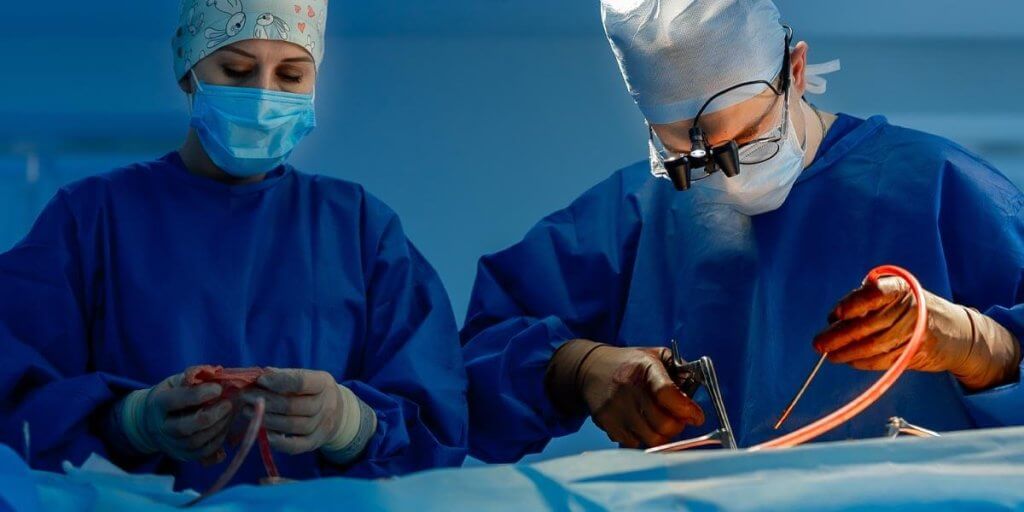
PTED is generally done under local anesthesia, where patients remain conscious for the operation and are thus able to communicate during the procedure if needed. A small skin incision is made at the low back area. A guide needle is inserted toward the herniated disc under fluoroscopic (X-ray) guidance.
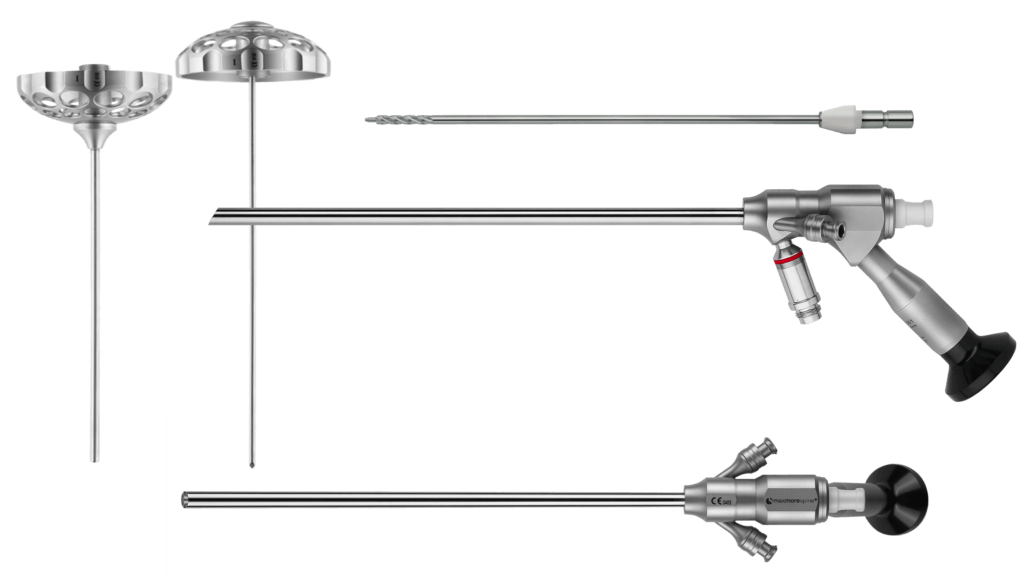
Through this needle, a working channel is created that gives access to the disc area. Using an endoscopic system, the surgeon views the herniated fragment directly on a high-definition monitor. Specialized micro-instruments are then utilized for the removal of disc material compressing the nerve root. After the decompression, the instruments and endoscope are removed, and the skin incision is closed with a single suture or adhesive strip.
Benefits of PTED treatment
The advantages of PTED over traditional spine surgery are multifaceted. First, because it is minimally invasive, there is significantly less disruption to the muscle, reduced postoperative pain, and a much quicker return to normal activity. Many patients can walk within hours after the procedure and go home the same day. Also, complications such as infection or instability of the spine are considerably less likely than in open surgery.
Recovery after PTED
Recovery after PTED is generally fast. Early mobilization and walking are advised post-surgery to enhance blood circulation and prevent stiffness. There may be mild discomfort for a few days but usually is well-controlled with simple pain medication. Most people can resume light work within one to two weeks and gradually return to full activity over several weeks, depending on their occupation and overall health.
Who Is a candidate for PTED?
PTED is most effective for patients who present with symptoms of a lumbar disc herniation causing nerve compression and resultant pain, numbness, or weakness radiating down the leg, also known as sciatica. Other candidates for PTED include all patients who wish to avoid general anesthesia or prolonged postoperative rehabilitation. Not every spinal condition lends itself to PTED, and only an experienced spine specialist can assess and determine the eligibility of candidates for PTED.
Max More technology:
For surgeons performing PTED, precision and visibility are everything. Advanced endoscopic systems from Max More, along with special surgical instruments, are designed specifically for minimally invasive spine treatments such as PTED. Our technology improves visualization, control, and safety for the patient, enabling surgeons to achieve superior results with less tissue trauma.
Max More continues to innovate in minimally invasive spine surgery with high-performance tools that enable a smoother workflow and optimal results for both surgeons and patients.
So, how is PTED treated? The answer lies in combining endoscopic precision with minimally invasive techniques that protect surrounding tissue and promote faster healing. PTED is a safe, effective, and patient-friendly alternative to open spine surgery, and with advanced tools from Max More, it has become even more efficient and accessible.
If you are a medical professional interested in learning more about PTED technology or equipment, contact us today to explore our full range of endoscopic spine surgery solutions.