
Advances in surgical technology have transformed how many procedures are performed today. One of the most significant developments is the rise of endoscopic surgical systems, which offer a minimally invasive alternative to traditional open surgical systems.
What are they?
Traditional surgical systems typically require larger incisions to provide direct access and visibility to the surgical site. While this approach has been effective for decades, it often involves cutting or retracting muscle tissue to reach the affected area. As a result, patients may experience increased postoperative pain, longer hospital stays, and extended recovery times.
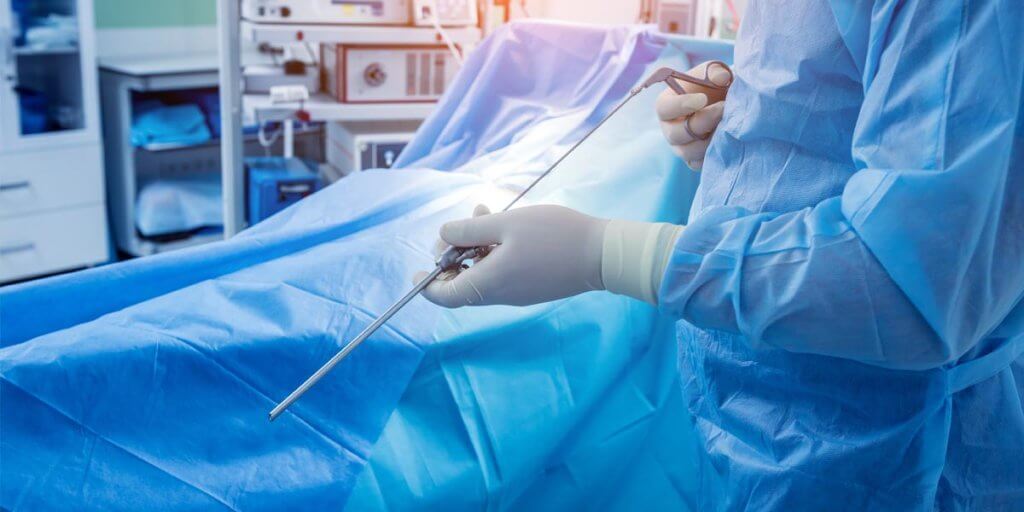
Endoscopic surgical systems use small incisions and a high-definition camera to visualize internal anatomy in real time. Surgeons operate through a narrow working channel, allowing precise treatment while preserving surrounding tissues. This minimally invasive approach significantly reduces surgical trauma and improves overall efficiency in the operating room.
Differences in visualization and precision
One of the main distinctions between endoscopic and traditional surgical systems lies in visualization. Endoscopic systems provide magnified, illuminated views of the surgical field, enabling precise targeting of pathology. Traditional systems rely on direct line-of-sight, which often requires wider exposure and greater tissue disruption to achieve adequate visibility.
Endoscopic systems support streamlined workflows by combining visualization and instrumentation into an integrated platform. This efficiency allows surgeons to perform complex procedures with greater control and consistency. Traditional systems, while reliable, may require longer operative times and additional postoperative care.
Patient recovery
Patients treated with endoscopic systems typically experience less blood loss, smaller scars, and reduced postoperative pain. Many procedures can be performed on an outpatient basis, allowing patients to return home the same day. In contrast, traditional surgery often involves longer recovery periods due to the extent of tissue manipulation required.

The growing preference for minimally invasive procedures has accelerated the adoption of endoscopic surgical systems across multiple specialties, including spine surgery. Their ability to deliver effective treatment while minimizing trauma aligns with modern healthcare goals of improving patient outcomes and reducing overall healthcare costs.
MaxMoreSpine endoscopic technology
At MaxMore, we support surgeons through advanced endoscopic spine surgery systems designed for precision and reliability. Our optics, access instruments, and working channels help achieve excellent visualization, ergonomic handling, and efficient surgical performance.
By continually developing innovative endoscopic technology, MaxMoreSpine contributes to safer procedures and better outcomes for patients worldwide.